

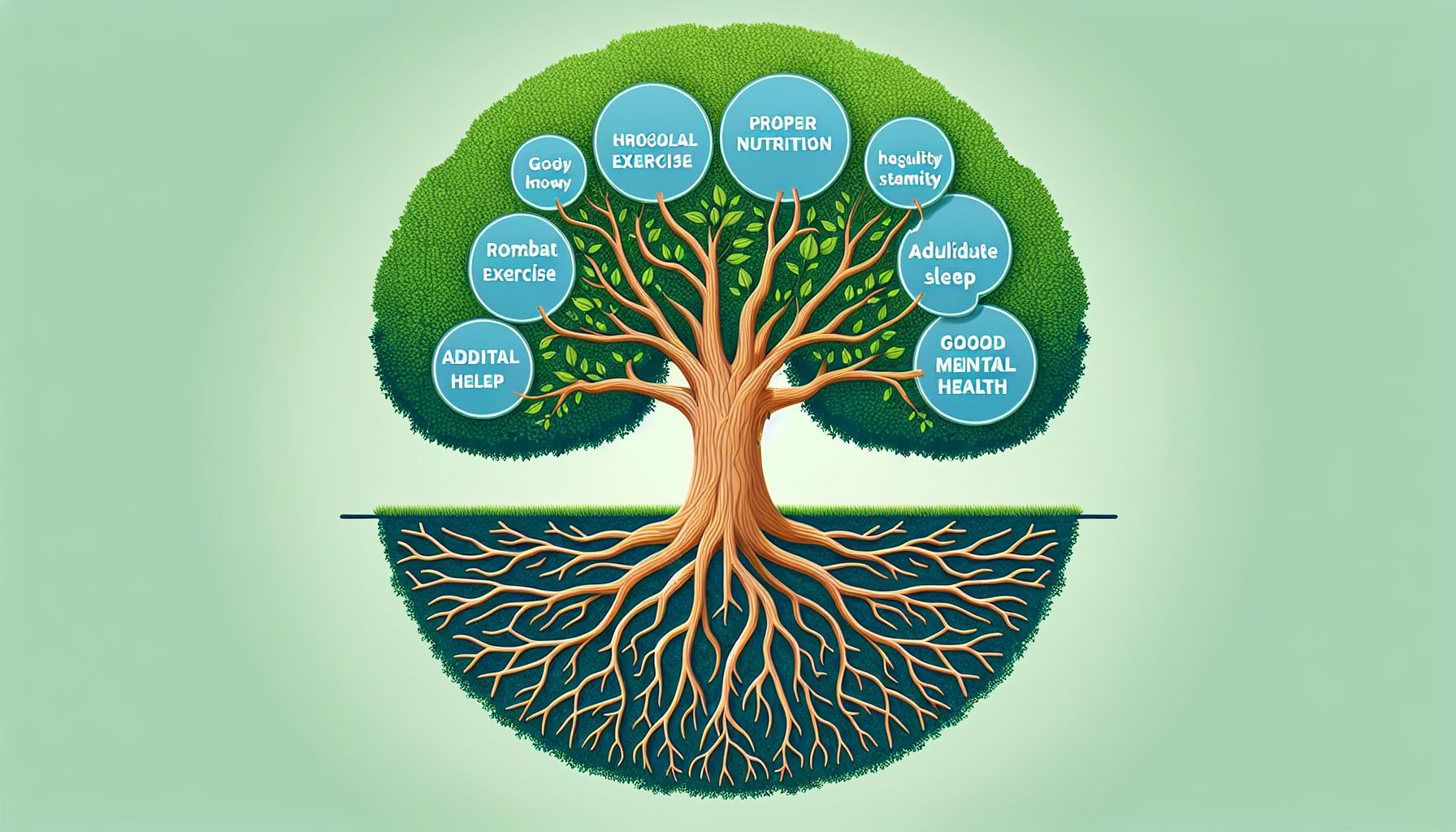
Maintaining good health is more than just a goal; it’s a way of living that encompasses multiple facets of daily life. From the food you consume to the level of physical activity you get and the ways you manage stress, every decision you make impacts your well-being. In a report by the Mayo Clinic, it was noted that making consistent healthy lifestyle choices could reduce the risk of chronic illnesses and improve overall life expectancy. This means the effort you put in today has the potential for life-long benefits.
Embrace a Nutritious Diet
Fuel Your Body Right
When it comes to health, diet is one of the critical pillars. Imagine your body as a sophisticated machine that requires the right kind of fuel to run efficiently. Consuming a diet rich in fruits, vegetables, lean proteins, whole grains, and healthy fats does exactly that. These nutrient-dense foods provide the vitamins, minerals, and antioxidants that your body needs to function well.
An insightful analysis by the Harvard School of Public Health highlighted that a healthy diet is a powerful tool for preventing chronic diseases. Consuming a variety of foods ensures that you get a broad spectrum of essential nutrients. For example, leafy greens such as spinach and kale are loaded with vitamins like folate and minerals such as iron, which are pivotal for maintaining optimal health.
Cut Down on Processed Foods
While it’s tempting to indulge in fast food and convenience snacks, the high levels of sodium, unhealthy fats, and added sugars can have a detrimental effect on your health. An extensive study into dietary habits found that reducing the intake of processed foods can significantly lower the risk of heart disease and diabetes.
Instead, preparing meals at home gives you control over the ingredients and the cooking methods, enabling you to prioritize healthier options like grilling or steaming over deep-frying. When grocery shopping, aim for items with a short ingredient list and the ones that are closest to their natural form.
Integrate Regular Physical Activity
Exercise: A Keystone of Health
To be healthy, it’s essential to get moving. Regular physical activity is paramount for maintaining a healthy weight, keeping cholesterol and blood pressure in check, and reducing the risk of chronic diseases such as type 2 diabetes and certain cancers. According to the American Heart Association, adults should engage in at least 150 minutes of moderate-intensity aerobic activity per week.
While this might seem like a significant investment of time, the benefits are undeniable. Regular exercise improves cardiovascular health by strengthening the heart muscle, enhancing blood flow, and improving oxygen consumption in the body. It also enhances your body’s ability to manage blood sugar and insulin levels, which lowers the risk of metabolic syndrome and type 2 diabetes.
Moreover, physical activity serves as a potent stress-reliever. During exercise, the body releases endorphins, often dubbed ‘feel-good’ hormones, which can alleviate feelings of stress and anxiety. Consistent exercise has been linked to better sleep patterns, which is another crucial aspect of overall health.
Find an Activity You Enjoy
Maintaining physical activity in your daily routine does not require monotonous hours on a treadmill unless that’s what you enjoy. It’s about finding something you love doing, be it cycling, swimming, yoga, or even dancing. The joy derived from the activity will make it less of a chore and more of a leisure part of your day. Plus, varying your workout routine can prevent boredom and offer a well-rounded fitness regime.
Get Quality Sleep
Restorative Sleep is Critical
Healthy living is deeply intertwined with good quality sleep. It’s during sleep that the body performs critical restorative functions, from repairing tissue to consolidating memory. According to the National Sleep Foundation, adults need between 7 to 9 hours of sleep per night for optimal health.
Lack of sleep has been associated with an increased risk of heart disease, kidney disease, hypertension, and stroke. Furthermore, it affects cognitive functions, mood, and even your body’s ability to regulate hormone levels. Sleep deprivation can lead to increased hunger and appetite, possibly resulting in weight gain.
To improve sleep quality, it’s important to establish a regular sleep schedule and create a sleep-conducive environment that is dark, quiet, and cool. Practicing relaxation techniques before bedtime, such as deep breathing, meditation, or reading, can also prompt better sleep.
Manage Stress
Keep Stress at Bay
Stress management is another indispensable component of a healthy lifestyle. Chronic stress can wreak havoc on your mental and physical health, underlining the need for effective stress reduction strategies.
Exercise is indeed a potent stress-reliever, but other techniques should also be part of your toolbox. Mindfulness meditation, for instance, teaches you to focus on the present moment, which can significantly lower stress levels. Studies have shown that even ten minutes of daily meditation can have a profound impact on stress reduction.
Building social connections can also buffer against the adverse effects of stress. Engaging with friends, family, or a community provides a sense of belonging and can help you navigate through difficult times.
Avoid Harmful Behaviors
Say No To Negative Habits
Choosing to live healthily also involves avoiding behaviors that can contribute to poor health. Smoking, excessive alcohol consumption, and drug use are all habits that have a significant negative impact on your well-being.
Quitting smoking, for example, will not only improve lung and heart health but will also reduce the risk of various cancers. In reducing alcohol consumption, you’ll be safeguarding your liver and contributing to better mental health.
Regular Health Checkups
Stay On Top of Your Health
Regular health checkups and screenings are vital for catching potential issues early and maintaining good health. By keeping up with recommended screenings such as blood pressure checks, cholesterol levels, diabetes screening, and cancer screenings based on age and gender, any potential health problems can be detected and treated promptly.
In Conclusion
Remember, adopting a healthy lifestyle doesn’t need to be an abrupt, all-encompassing change. You can start by making small adjustments to your diet, slowly increasing your level of physical activity, regulating your sleep patterns, incorporating stress management techniques, and eliminating harmful behaviors. Over time, these small changes can accumulate and become a natural part of your daily routine, leading to significant health benefits and a more fulfilling life.
Be kind to yourself during this journey. It’s not about perfection; it’s about progress. Every positive choice you make is a step towards better health and well-being. So, take that step today, then another tomorrow, and watch as the path to health unfolds in front of you.